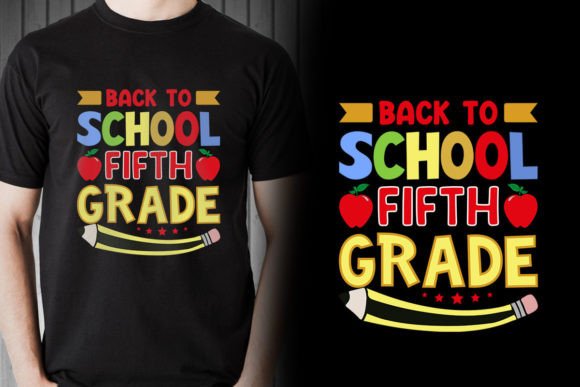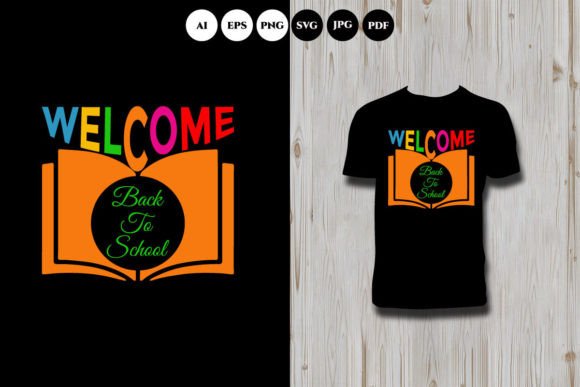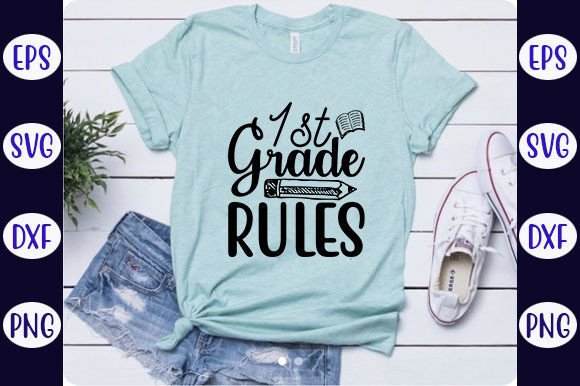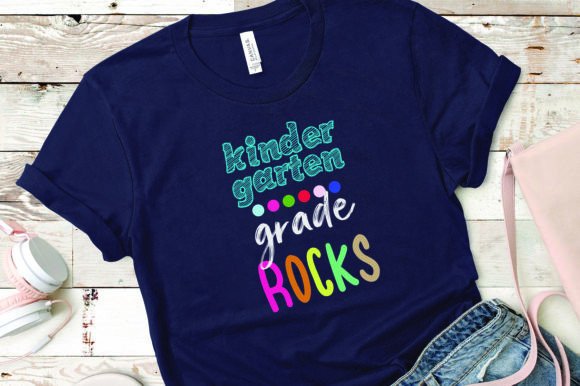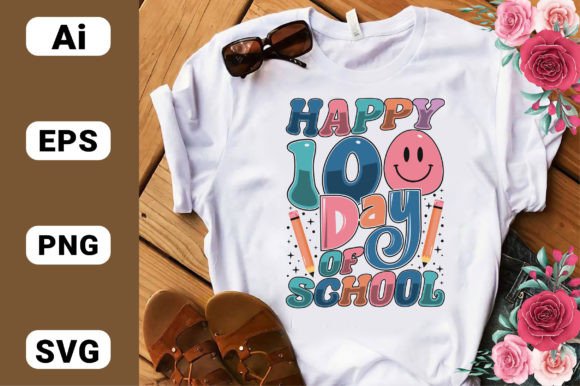
Back to School 100 Day of School T-shirt
A Typography Design That Feels Like a First-Day Smile
As someone who’s stitched hundreds of school-themed projects—from kindergarten tote bags to teacher appreciation aprons—I opened Back to School 100 Day of School T-shirt expecting cheerful simplicity. What I found was more intentional than it first appears: clean, confident typography with subtle rhythm in the letter spacing and a balanced weight that reads clearly even at small scales. It’s not cartoonish or overly playful—it lands somewhere between proud milestone and warm encouragement. That makes it unusually versatile: equally at home on a newborn onesie as it is on a high-school staff sweatshirt.
Where This Design Truly Shines (and Where It Needs Guardrails)
I tested Back to School 100 Day of School T-shirt across three real-world embroidery projects: a cotton twill tote bag for a local preschool fundraiser, a lightweight baby bodysuit, and a structured unisex cap. On the tote? Excellent. The bold letterforms held up beautifully in satin stitch, with crisp edges and no feathering—even at 8.5 inches wide. On the bodysuit? Careful sizing was key. At under 4 inches wide, the “100” stayed legible, but the smaller “Happy” text began to blur slightly in fill stitch without extra stabilizer. On the cap? The curved surface compressed the top and bottom lines just enough to soften the visual impact—so I’d recommend using it only on front panels with generous flat space, not on curved bill seams or narrow side panels.
Real-World Fit Across Product Types
- Tote bag design: Ideal. The layout breathes well on wide, stable fabric—no distortion, no thread nesting.
- Sweatshirt embroidery: Works best on midweight fleece or French terry. Avoid ultra-thick sherpa; fine details lose definition.
- Baby embroidery: Safe for onesies and burp cloths—but only above 5 inches wide. Below that, test stitch density to prevent stiffness.
- Embroidered patch: Strong candidate. Clean outlines and minimal internal detail mean sharp cut edges and easy peel-away backing.
- Kitchen towel or tea towel: Great for boutique branding—especially when paired with a simple monogram or date in corner.
- Personalized gift: Highly giftable. Parents and teachers consistently respond to its sincerity—not cutesy, not corporate, just grounded and celebratory.
Fabric & Stitching Realities You Can’t Skip
This isn’t a “set and forget” embroidery file. Its strength lies in clarity—but that clarity depends on context. On dark fabric, contrast matters more than usual: light thread (ecru, soft yellow, or pale blue) reads better than stark white, which can glare. On stretchy fabric like jersey tees, skip direct hooping—use medium-weight cutaway stabilizer underneath *and* tear-away on top to lock down letter edges. And if you’re stitching on textured fabric (like waffle-weave towels or bouclé blankets), reduce fill stitch density by 10–15% to avoid thread buildup in valleys.
The “100” is the anchor—and it’s well-proportioned—but those zero loops are tight. In dense satin stitch, they’ll hold shape on stable fabrics, but on thin cotton or rayon blends, they may pucker unless you adjust underlay or add a light tack-down stitch first. Also: while the design includes SVG, EPS, and AI files—excellent for vector scaling—the actual embroidery file isn’t included in the listing description. If you plan to digitize it yourself or send it to a digitizer, confirm whether the vendor provides PES, DST, or JEF versions separately—or budget time to convert carefully.
What This Design Says About Your Brand (Before a Single Stitch)
When your customer sees Back to School 100 Day of School T-shirt on your Etsy listing or craft fair table, they’re not just buying a phrase—they’re reading your taste, your attention to detail, and your understanding of what makes a milestone feel meaningful. It doesn’t shout. It stands quietly confident. That builds trust faster than flashy graphics ever could—especially with educators, parents, and boutique buyers who curate with intention.
For craft businesses, this design elevates handmade presentation without demanding complex techniques. No applique design needed. No intricate fill patterns to manage. Just strong, readable typography that stitches cleanly and photographs well—critical for printable mockups and digital product previews. And because it’s rooted in a universal milestone, it sells year after year with minimal seasonal repositioning.
Practical Designer Notes Before You Stitch
- Always test Back to School 100 Day of School T-shirt on scrap fabric matching your final project’s weight, stretch, and texture.
- Check thread color contrast on both light and dark backgrounds—not just on screen. A color that looks vibrant in PNG may mute when stitched.
- Review stitch density: high-density fills work on stable fabrics but risk stiffness on baby items or lightweight apparel.
- Confirm hoop size compatibility. The full layout fits comfortably in a 5×7 hoop, but tighter placements (like cap fronts) may require resizing or cropping.
- Inspect small corners and inner curves—especially the inside of the “0”s—under magnification before running production.
- Test black-and-white mockups. If it holds visual weight in grayscale, it’ll translate reliably across thread palettes.
- Use appropriate stabilizer: cutaway for knits, tear-away for stable wovens, and fusible for delicate layers like quilted pillow covers.
- Verify licensing terms before selling finished products or reselling the digital embroidery file—especially for commercial embroidery or Etsy listings.
Final Thought: It’s Not Just a T-Shirt Design—It’s a Moment Made Tangible
In my studio, Back to School 100 Day of School T-shirt has become a go-to for projects where authenticity matters more than flash. It doesn’t try to be everything—it’s focused, respectful of the craft, and built to last beyond one school year. Whether you’re an Etsy seller building a cohesive back-to-school collection, a small shop owner sourcing boutique-ready embroidery files, or a parent stitching a keepsake, this design earns its place not through novelty, but through quiet reliability. That’s rare. And worth holding onto.