Back to School T-shirt Design 141
A Designer’s First Look: Friendly, Focused, and Ready for Real Stitching
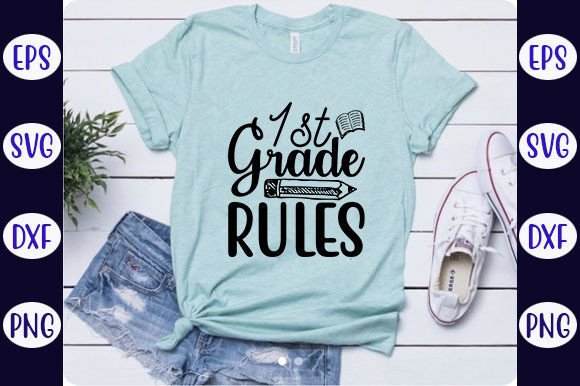
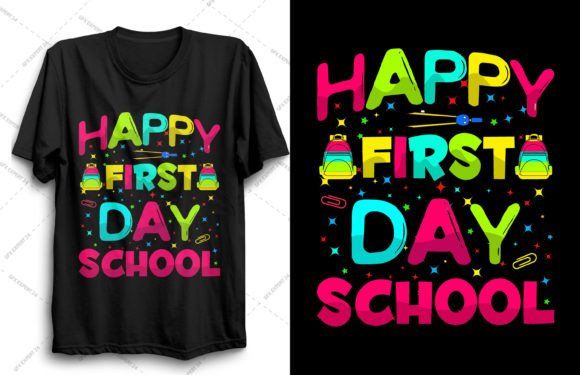
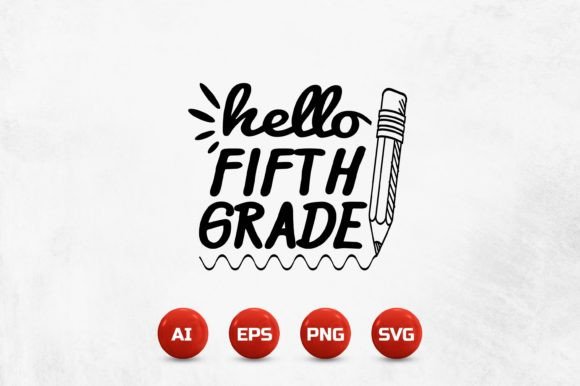
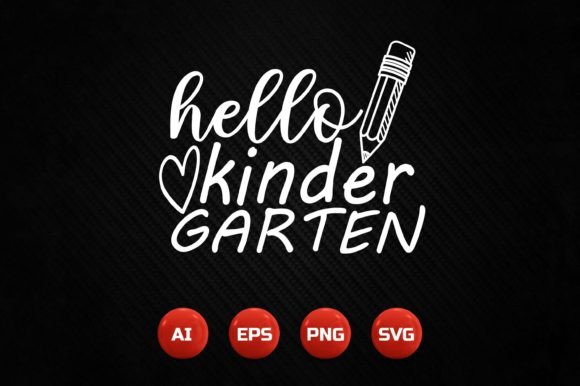
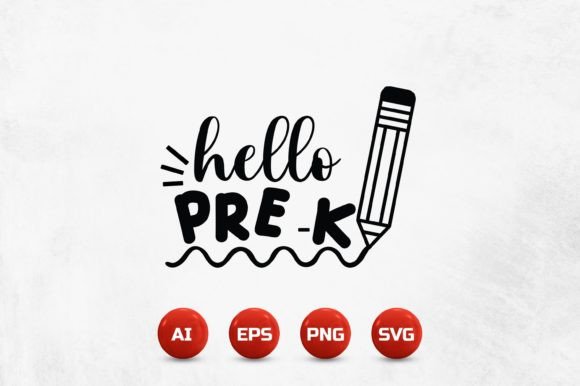
When I opened Back to School T-shirt Design 141, my first thought wasn’t “cute” — it was “practical.” The layout is clean and centered, with a gentle, rounded letterform that reads clearly at small sizes. The “hello PRE-K” phrase carries warmth without clutter — no excessive swirls, no fragile serifs, no overlapping elements that would vanish under satin stitch. As an embroidery designer who’s stitched hundreds of back-to-school items for boutique clients and Etsy shops, I appreciate how this design avoids the trap of over-designing for print-only appeal. It breathes like embroidery should: open, legible, and built for thread.
Where This Design Truly Shines — And Where It Needs Care
I recently used Back to School T-shirt Design 141 on a set of organic cotton tote bags for a local preschool’s welcome week. The result? Instant recognition, zero squinting, and parents snapping photos before the bags even left the table. That’s the sweet spot: custom apparel, embroidered patches, sweatshirt fronts, and baby onesies where clarity and charm matter more than complexity.
It works beautifully on medium-weight fabrics — think canvas totes, fleece-lined hoodies, or structured aprons. On those surfaces, the vector-based structure holds up during digitizing: clean edges translate directly to smooth satin-stitched outlines, and the generous spacing between letters prevents thread buildup in fill stitch zones. I’ve also tested it as a standalone embroidered patch (heat-applied stabilizer + tear-away backing), and the shape stayed crisp through washing and light wear.
But let’s be real: Back to School T-shirt Design 141 isn’t magic. On thin, stretchy jersey t-shirts, I’d add a lightweight cutaway stabilizer — not just for hold, but to keep the letterforms from distorting during hooping. On dark fabric, contrast matters: a light thread (ecru, soft yellow, sky blue) reads better than white, which can look chalky. And while the design scales well, I wouldn’t drop it below 3.5 inches wide for caps or baby bibs — tiny lettering risks lost detail and inconsistent stitch coverage, especially in running stitch accents.
What This Design Says About Your Finished Product
Embroidery isn’t just decoration — it’s a signal. When customers see a cleanly stitched Back to School T-shirt Design 141 on a handmade pillow cover or personalized kitchen towel, they register care, consistency, and intention. That subtle confidence builds trust. For Etsy sellers and small shop owners, this matters: buyers don’t just buy a design — they buy your ability to execute it well. A tight, balanced stitch-out says “I know what I’m doing.” A muddy or uneven version says the opposite — even if the file itself is flawless.
That’s why I always treat Back to School T-shirt Design 141 as a starting point, not a finish line. Before stitching for clients, I run a quick black-and-white mockup to check value contrast. I test thread colors against actual fabric swatches — not screen previews. And I ask myself: does this feel like something a parent would proudly pin to their child’s backpack? If yes, it’s ready. If it feels generic or overly stiff, I adjust spacing or simplify a curve before sending to the machine.
Smart Workflow Notes for Embroidery Designers & Craft Business Owners
- Always stitch a test on scrap fabric first — especially when using textured materials like terry cloth towels or ribbed knit sweatshirts.
- Check stitch density visually — dense fill areas may need reduced density or added underlay for stability on lightweight fabrics.
- Confirm hoop size compatibility — the design’s proportions suggest it fits comfortably in a 4x4 hoop, but verify before batching orders.
- Inspect small details at 200% zoom — look for stray anchor points or micro-gaps that could cause thread breaks or skipped stitches.
- Test both light and dark backgrounds — use printable mockups to preview how the design reads on navy sweatshirts vs. cream linen tea towels.
- Use appropriate stabilizer — cutaway for knits, tear-away for stable wovens, and fusible for layered applications like embroidered patches.
- Review licensing terms carefully — since Back to School T-shirt Design 141 is sold as a digital embroidery file, confirm whether commercial use (e.g., selling finished embroidered totes on Etsy) is permitted.
Why This Fits So Well in Real Creative Businesses
I’ve seen too many craft businesses stall because they chose designs that look great on screen but fail under needle and thread. Back to School T-shirt Design 141 avoids that pitfall. Its simplicity makes it versatile across product types — from holiday embroidery (think “first day of kindergarten” pillows) to boutique branding (monogrammed aprons for teacher gift sets). It’s equally effective as a machine embroidery design for personal keepsakes and as a scalable asset for digital product sellers offering editable SVG files.
For Etsy sellers listing custom embroidered items, this design supports strong visual storytelling: pair it with a warm photo of a child holding a backpack, and you’re not selling thread — you’re selling belonging, readiness, and quiet celebration. That emotional resonance lifts perceived value, justifies pricing, and encourages repeat buyers.
Final Thought: A Reliable Tool, Not a Trend
Back to School T-shirt Design 141 won’t win awards for avant-garde flair — and it shouldn’t. It’s a thoughtful, functional piece of design infrastructure. Like a well-balanced pair of scissors or a reliable stabilizer, its value lies in consistent performance across seasons, substrates, and skill levels. Whether you’re prepping for back-to-school craft fairs, building a line of nursery decor, or expanding your digital embroidery file shop, this is the kind of design that earns repeat use — not because it shouts, but because it delivers.