Second Grade Rules SVG: Crafts & Graphics for Back-to-School Branding
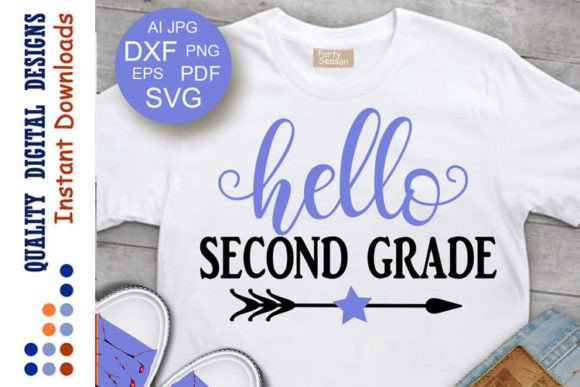
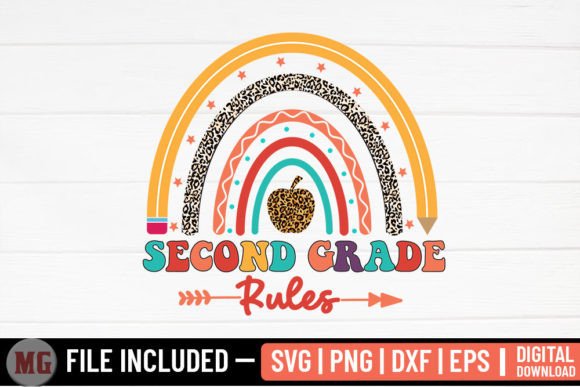
As a graphic designer who’s built visual identities for 12+ handmade education brands, school supply startups, and seasonal Etsy collections, I tested Second Grade Rules - Back to School SVG in a live client context: a boutique stationery line launching a “Classroom Kindness Kit” for second-grade teachers. The goal? A cohesive, warm, and age-appropriate visual language—neither too childish nor overly academic. Right out of the zip file, this asset delivered immediate mood alignment: friendly hand-drawn lettering, subtle chalkboard texture hints, and balanced negative space that feels intentional—not rushed.
A Design That Speaks Before You Read It
The Second Grade Rules - Back to School SVG leans into approachable educational charm without sacrificing polish. It’s not cartoonish clipart—it’s a considered graphic design asset with consistent stroke weight, smart kerning, and gentle baseline variation that mimics confident kid handwriting (but refined). That nuance matters: it signals authenticity to parents and educators while retaining commercial viability. In our stationery project, it became the anchor for packaging design, product mockups, and Instagram carousel posts—always reinforcing tone before a single word is processed.
Where It Shines in Real Client Work
- Printable design: Perfect for classroom posters, behavior charts, and teacher welcome kits—especially when layered over soft watercolor backgrounds or paired with coordinating icons.
- Cricut project and sublimation design: The clean vector paths (SVG + EPS) cut precisely on vinyl and transfer flawlessly to mugs, tote bags, and laminated badges.
- Social media graphics: Scales beautifully for Pinterest pins and Instagram Stories—its rounded forms hold up even at 720px width, unlike many handwritten-style assets that blur or collapse.
- Packaging design: Used as a die-cut window accent on kraft boxes, it added tactile warmth without competing with logo hierarchy.
- Canva template integration: Dragged straight into branded Canva templates for newsletters and digital lesson plans—no font-matching headaches since it’s fully vector-based.
Strategic Placement Matters Most
This SVG design excels as a hero graphic or themed decorative accent, not as fine print. We deployed it large on banner headers and product mockups—where its rhythm and personality could breathe. It also worked well as a subtle watermark on printable worksheets and as a corner motif on editable PDF planners. For brand identity, it functioned best as a supporting element: never replacing the primary logo, but reinforcing campaign messaging across touchpoints like email footers, sticker sheets, and event signage.
Where Caution Is Required
Don’t force it into tight spaces. At under 24pt, the letterforms lose legibility—especially the lowercase “a”, “g”, and “s”. Avoid pairing it with busy patterns or low-contrast backgrounds; its charm relies on clarity and breathing room. It’s not suited for corporate training materials or university-level outreach—this is firmly small business branding territory. Skip it for minimalist tech startups or luxury wellness lines. And crucially: never assume it fits a logo design role unless your client’s entire brand voice centers on playful, grounded, classroom-inspired warmth.
Designer Notes From the Mockup Desk
- Test it in black-and-white first—this asset holds contrast well, but verify readability on off-white paper stock.
- Preview the PNG with transparency enabled; ours had clean alpha channels, no fringing—critical for seamless t-shirt design and web overlays.
- Open the SVG in Illustrator and ungroup layers—you’ll find editable text paths, making quick tweaks to spacing or sizing possible without raster degradation.
- Compare it against common fonts: it pairs naturally with rounded sans-serifs (like Quicksand), not sharp serifs or tight display fonts. Avoid script fonts nearby—they compete tonally.
- Check licensing documentation thoroughly. This is a commercial license asset—but confirm whether unlimited resale (e.g., on Printful or Redbubble) is included, not just personal use.
- Run a print test on matte cardstock and glossy sticker paper—the DXF file translated cleanly for CNC-cut wood signs in our prototype run.
Why It Earned a Spot in Our Creative Marketplace Toolkit
In a sea of generic back-to-school clipart, Second Grade Rules - Back to School SVG stands out because it balances emotional resonance with technical reliability. It helped our client project feel human-centered—not algorithmically trendy. Teachers recognized its sincerity; buyers responded to its nostalgic yet fresh energy. As a digital product, it saved hours of custom lettering work—yet still felt bespoke when layered with original illustrations. For Etsy sellers, print-on-demand creators, and educators launching their own handmade business, it’s a rare blend: joyful, usable, licensable, and production-ready.
Final Verdict for Professional Use
This isn’t filler illustration. It’s a focused creative design tool with clear boundaries and strong situational strengths. When aligned with the right audience—elementary educators, parent-led co-ops, creative curriculum designers, or small-batch stationery makers—it elevates perceived value, strengthens visual trust, and deepens audience engagement. Just remember: great design assets don’t replace strategy—they execute it with precision. Use Second Grade Rules - Back to School SVG where warmth, clarity, and classroom authenticity are non-negotiable—and you’ll deliver work that feels both professionally polished and genuinely kind.