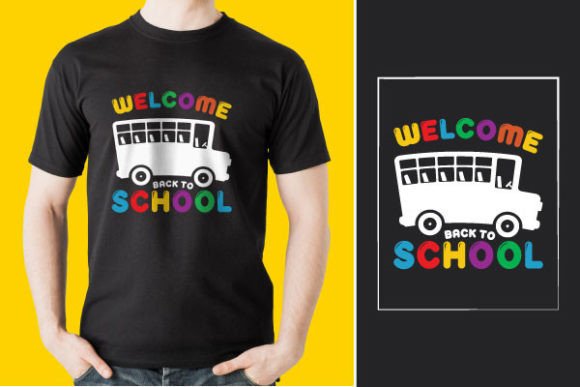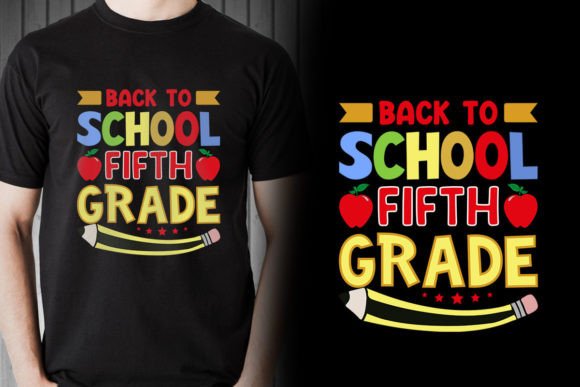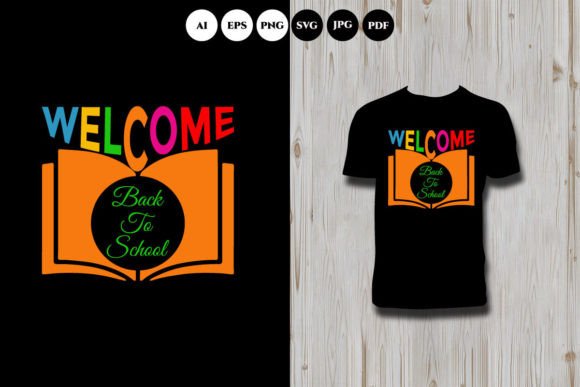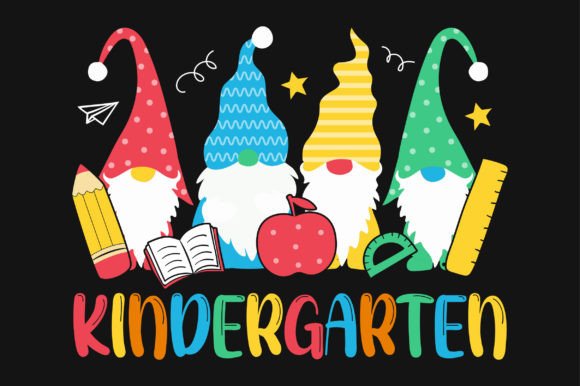
Back to School Encyclopedia Graphics Freebies
First Impression: Bright, Nostalgic, and Instantly Recognizable
When I opened Back to School Encyclopedia, my first thought was: “This lands like a confident classroom chalkboard—friendly but intentional.” It’s not overly academic or stiff; instead, it carries warm energy with clean lines, balanced negative space, and subtle texture that suggests both learning and creativity. For brand owners launching seasonal offers—say, an online coach rolling out a fall content bundle or a small business prepping back-to-school merch—it creates immediate emotional resonance: curiosity, readiness, and approachable expertise. It feels right for lifestyle brands, educational creators, and handmade product sellers who want to signal thoughtfulness without sacrificing visual polish.
A Real Campaign Fit: From Pinterest Pins to Packaging Accents
Last month, I used Back to School Encyclopedia in a full campaign refresh for a digital seller offering printable planners. We needed cohesive visuals across Instagram posts, email headers, and a downloadable lead magnet. The 1920px × 1280px canvas gave us flexibility—we scaled it for blog graphics, cropped sections for Pinterest pins (1000×1500), and layered it behind bold typography for Facebook ads. Because it came with both AI and SVG files, we adapted it effortlessly into Canva templates and even exported crisp versions for physical packaging inserts. As a graphic design asset, it performed strongest where visual hierarchy mattered most: hero graphics, campaign headers, and branded content bundles. Its balanced composition kept the focus on our messaging—not the decoration.
Where It Strengthens Brand Identity—and Where It Needs Guardrails
Back to School Encyclopedia supports stronger first impressions and clearer visual hierarchy, especially when paired with consistent fonts and brand colors. In logo design explorations, it served as a compelling secondary element—think corner accents on a sticker sheet or a decorative border around a product label. For editorial design and web design, it added personality to otherwise text-heavy blog headers. But I’d use it carefully in formal corporate branding or dense information layouts: its illustrative nature competes with small body copy or low-contrast backgrounds. It also doesn’t scale down well below 400px wide—so avoid cramming it into mobile-first ad creatives or tiny social media story stickers unless simplified first.
Smart Pairings: Fonts, Colors, and Context
As a brand designer, I tested Back to School Encyclopedia across six font families: serif (for editorial trust), sans serif (for modern clarity), script (to soften tone), handwritten (for authenticity), and display fonts (for campaign impact). It held up best with clean sans serifs and gentle scripts—never overwhelming, always complementary. I also ran quick black-and-white checks: the line weight stays legible, and the silhouette remains distinct. Before finalizing, I dropped it into real mockups—mobile previews, desktop banners, and printed swatches—to confirm spacing, balance, and commercial viability. Crucially, I verified the commercial license: yes, it’s cleared for client work, paid campaigns, and digital product visuals—no hidden restrictions.
Marketing Goals It Helps Achieve—Without Extra Work
This isn’t just clipart—it’s a strategic creative design that quietly lifts multiple marketing goals. It improves audience trust by signaling professionalism and attention to detail. It builds stronger recognition through repeatable visual motifs across platforms. It deepens emotional connection by tapping into universal back-to-school feelings—fresh starts, growth, preparation—without cliché. And because it’s part of a broader creative marketplace trend toward versatile, editable design assets, it fits seamlessly into existing workflows: drag into Canva, recolor in Illustrator, layer over photos, or print directly as a printable design. For content marketers building media kits or small business branding systems, that consistency is gold.
Best Uses: Hero Visuals, Branded Templates, and Decorative Anchors
Where does Back to School Encyclopedia shine brightest? In hero graphics that anchor a landing page, campaign headers that set seasonal tone, and branded templates that unify a content kit. It works beautifully as a social media cover image, a subtle background for email banners, or a decorative frame for editorial layouts. Small business owners can use it on packaging accents—think belly bands for notebooks or corner flourishes on product labels. Creative entrepreneurs repurpose it across merchandise, digital product visuals, and even limited-edition sticker sheets. As an SVG design, it scales infinitely—ideal for responsive web design or high-res print jobs.
What to Double-Check Before You Launch
Before deploying Back to School Encyclopedia in live marketing visuals, run these five checks:
- Test it against your full brand color palette—does it harmonize or clash?
- Preview it on actual devices—especially mobile screens—to assess readability and proportion.
- Compare it side-by-side with top competitor visuals—is it distinctive enough?
- Confirm licensing covers your use case: commercial design, client deliverables, or digital product resale.
- Ask: does it support—or distract from—the core message? If it competes, simplify or reposition.
Why This Belongs in Your Design Assets Toolkit
For bloggers, publishers, social media managers, and product creators, Back to School Encyclopedia delivers more than seasonal relevance—it delivers reliability. It’s a modern design that bridges playful and professional, scalable yet thoughtful, free but commercially robust. Whether you’re designing a lead magnet, refreshing your content calendar, or building a seasonal Canva template library, it’s a rare find: a graphic design asset that looks custom-made but integrates like it was built for your workflow. In a landscape crowded with generic clipart and overdesigned illustrations, this stands out—not because it shouts, but because it listens to what your brand needs to say.