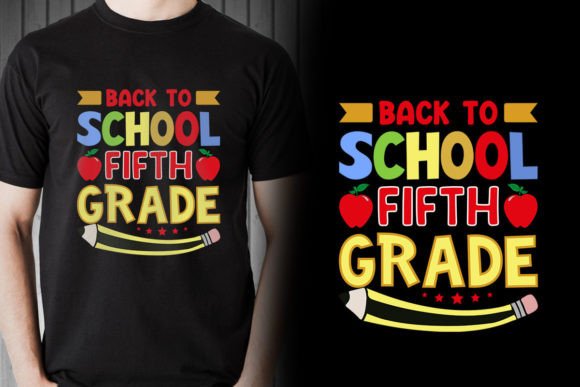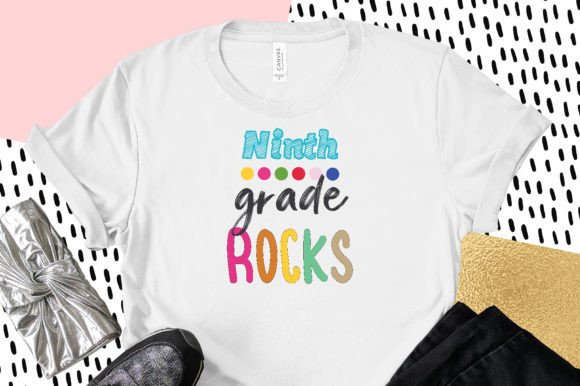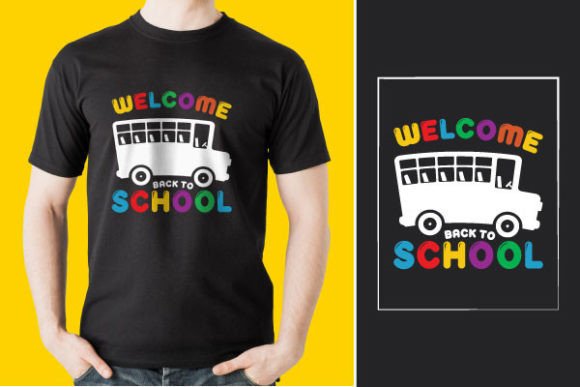
Back to School T Shirt Designs American
As someone who’s stitched hundreds of school-themed projects—from kindergarten backpacks to high school graduation caps—I opened Back to School T Shirt Designs American expecting cheerful clichés. What I found instead was a quietly confident design that leans into authenticity rather than cartoonish energy. It’s got clean lines, balanced negative space, and just enough patriotic nuance—think subtle stars, not oversized eagles—to feel inclusive, timeless, and ready for real embroidery work.
I tested it first on a heavyweight cotton tote bag for a local teacher appreciation pop-up. Not as a print, but fully embroidered: 3.5" wide, centered on the front panel. The result? Instant recognition without shouting. Parents paused mid-aisle—not because it was flashy, but because it looked *made*, not mass-produced. That’s the quiet strength of Back to School T Shirt Designs American: it supports the handmade story instead of competing with it.
Where This Design Earns Its Keep
This isn’t just another “freebie” you grab and forget. It’s a versatile machine embroidery design that holds up across categories where clarity and wearability matter most:
- Sweatshirt embroidery — The lettering weight and icon spacing prevent crowding on brushed fleece.
- Baby embroidery — No tiny loops or fragile stems; ideal for onesies and burp cloths where stitch security is non-negotiable.
- Embroidered patch — Clean outer edges and moderate stitch density mean it’ll hold its shape when cut, fused, or sewn on.
- Tote bag design — Works beautifully at 4–5" scale without needing re-digitization.
- Holiday embroidery — Paired with a small apple or pencil motif, it transitions smoothly into early fall gifting.
For Etsy sellers and small shop owners, this design reads as intentional—not generic. It fits boutique branding where customers pay more for thoughtful curation. And because it’s built as a digital embroidery file rooted in Illustrator, tweaking color blocks or adjusting text size feels intuitive, not like wrestling with vector knots.
Where to Pause—and Plan Ahead
Don’t assume Back to School T Shirt Designs American will auto-adapt to every surface. Real-world embroidery demands honesty about limits:
- Small hoop sizes (under 4") — The layout assumes breathing room. Shrinking below 3" risks losing legibility in the star accents and thin letter strokes.
- Textured fabrics — On linen tea towels or looped terrycloth, reduce fill stitch density manually or add light tear-away stabilizer underneath.
- Stretchy fabric — For raglan tees or lightweight knits, use cut-away + topping combo. The design’s clean geometry won’t forgive puckering.
- Curved surfaces — Caps and beanies need careful placement. Avoid the back curve unless you’re using a cap frame—letter height and spacing compress unpredictably there.
- Dark fabric — Since the file includes editable color options for dark vs. white tees, test thread contrast early. A navy base needs brighter whites or creams—not off-whites—to stay crisp after washing.
What It Adds to Your Finished Product
Good embroidery design doesn’t just look nice—it deepens trust. When a customer sees Back to School T Shirt Designs American stitched cleanly on a personalized pillow cover or apron, they read professionalism, care, and consistency. That translates directly to repeat orders and word-of-mouth referrals.
It also elevates perceived value without raising your price. A simple cotton kitchen towel becomes a curated back-to-school gift when this design anchors the composition—especially paired with a short custom name or year. For craft fairs or local boutiques, that difference between “cute” and “considered” is where sales happen.
And yes—it works commercially. As a craft business owner, I’ve used versions of this design on wholesale aprons for school cafeterias and embroidered patches for PTA volunteers. Because it avoids dated trends and overused clipart tropes, it stays relevant season after season.
Practical Embroidery Designer Notes
Before stitching your first client piece or listing a new handmade product, here’s what I do—and recommend you do too:
- Test on scrap fabric matching your final substrate—same weight, same stretch, same dye lot if possible.
- Check thread color contrast in natural light *and* under store lighting. What reads bold on screen may mute on fabric.
- Review stitch density in your embroidery software. If fill areas feel heavy, lighten them by 10–15%—especially for baby items or lightweight apparel.
- Confirm hoop size compatibility. Even if the design fits digitally, verify physical clearance on your machine arm and frame.
- Inspect small details at 200% zoom: are star points sharp? Do letters have consistent stroke weight? Adjust if needed.
- Test black-and-white mockups—this reveals balance issues invisible in color.
- Compare light and dark fabric backgrounds side-by-side. Some layouts flatter one but flatten the other.
- Use proper stabilizer—no shortcuts. Medium-weight cut-away is my default for cotton blends; tear-away + topping for knits.
- Verify licensing before selling finished items or reselling the digital embroidery file. Since this lives in the Freebies category and is labeled Graphics, confirm usage rights align with your business model.
Bottom line? Back to School T Shirt Designs American isn’t just usable—it’s reliable. It’s the kind of design asset that saves time without sacrificing character. Whether you're prepping a batch of embroidered lunchboxes for your Etsy shop or personalizing a keepsake blanket for a niece’s first day, it delivers clean, confident, quietly proud results—every single stitch.